
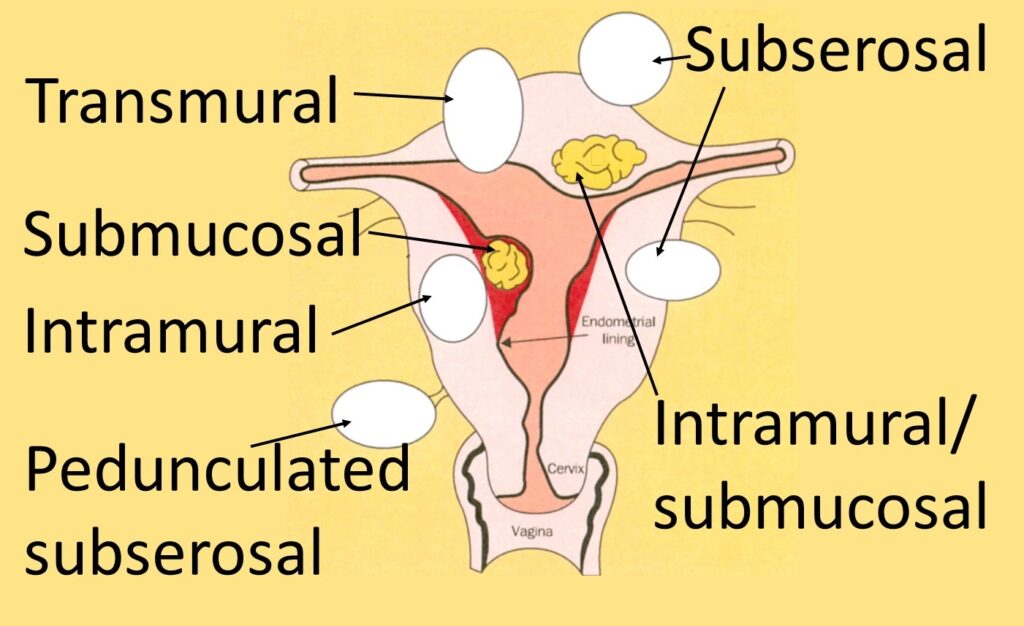
Uterine fibroids are noncancerous growths that develop in or on the muscular wall of the uterus. They can cause heavy menstrual bleeding, pelvic pain, pressure, frequent urination, and fatigue. The primary treatment option for symptomatic fibroids is uterine fibroid embolization. Learn more about this procedure.
Understanding Uterine Fibroid Embolization
Uterine fibroid embolization offers a minimally invasive alternative to traditional surgery for fibroids. UFE is a nonsurgical procedure that blocks the blood supply to fibroids, causing them to shrink over time. An interventional radiologist performs the procedure using image guidance, and the uterus remains intact.
The Procedure
The goal of UFE is to shrink fibroids by removing their arterial blood supply. The procedure is typically performed in a hospital or outpatient interventional suite. Before the UFE is done, moderate sedation and local anesthetic are used for catheter placement into the uterine arteries supplying blood to fibroids.
The fibroids are then blasted with particles to destroy their blood supply. After the procedure, the catheter is removed, and pressure is applied to the puncture site. No stitches are required, and patients may go home the same day.
As fibroids shrink, mild to moderate cramping, nausea, and fatigue may occur. Normal activities are resumed after a short time. Follow-up care may be required if very large or multiple fibroids are removed.
The Benefits
Uterine fibroid embolization offers several advantages over traditional surgical treatments. Key benefits include:
- No surgical incision: The procedure requires only a small puncture, which reduces the risk of scarring and wound complications.
- Preservation of the uterus: UFE treats fibroids while keeping the uterus in place, an important consideration for many women.
- Treatment of multiple fibroids: UFE addresses all fibroids at once, regardless of their number or location within the uterus.
- Minimal blood loss: Because no open surgery is performed, the need for blood transfusion is extremely rare.
- Lasting symptom relief: Most women report significant improvement in heavy bleeding, pelvic pain, and pressure symptoms, with results that remain durable for years.
- Avoidance of general anesthesia: Moderate sedation lowers the risks associated with general anesthesia.
Who Is Eligible
Uterine fibroid embolization is appropriate for many women who experience symptoms caused by fibroids. You may be a candidate if you have heavy or prolonged menstrual bleeding, pelvic pain or pressure, or bladder and bowel symptoms related to fibroids. UFE is also a strong option for women who wish to avoid hysterectomy or who are not good candidates for surgery due to other health conditions.
If you are considering future pregnancy, discuss your goals with your physician. While pregnancies have occurred after UFE, other treatments may be recommended depending on your circumstances. A thorough consultation, including a review of imaging and a physical examination, will help determine whether UFE is the right choice for you.
Schedule a Consultation
Living with fibroid symptoms can affect your physical health and quality of life. Embolization provides a minimally invasive path to remove troublesome fibroids. Schedule a consultation with an interventional radiology specialist to learn whether UFE is right for you.
- What Is Uterine Fibroid Embolization?
- Questions To Ask Your Provider About Preventive Cardiology
- Pediatric Imaging Techniques for Assessing Developmental Disorders
- New York MTA Updates: What German Travelers Need to Know About Subway and Transit Changes
- How Light Ring Enhances Safety in Confined Spaces