

An annual physical exam is a routine appointment with a primary care provider, and it focuses on your overall health rather than a specific illness or injury. During the appointment, a physician or other health care provider reviews your health history, performs a physical evaluation, and discusses lifestyle factors. The visit may also include screenings or vaccinations recommended for your personal or family health history. Understanding the steps involved can help you make the most of your time with your provider.
Is an Annual Physical Necessary?
An annual physical gives you and your doctor a consistent opportunity to review your health over time. The visit takes place at regular intervals, so your provider may compare current measurements with results from previous years. This comparison helps identify gradual changes, which can otherwise go unnoticed.
The exam also provides dedicated time to discuss topics that may not come up during visits for short-term concerns, such as a cold or minor injury. These topics can include exercise, alcohol or tobacco use, and family health history. Your doctor may use this information to offer guidance suited to your circumstances. Routine visits also support a continuing relationship with a primary care provider. When a doctor is familiar with your history, they can offer more informed recommendations, and they are able to coordinate referrals to specialists when appropriate.
What Should You Expect?
A staff member typically records basic measurements, which often include blood pressure, height, and weight. Your doctor will then review your medical and family history, and they can ask about your daily habits. Answering these questions openly and accurately allows your provider to form a complete picture of your health. The physical portion of the exam generally includes:
- Listening to the heart and lungs with a stethoscope
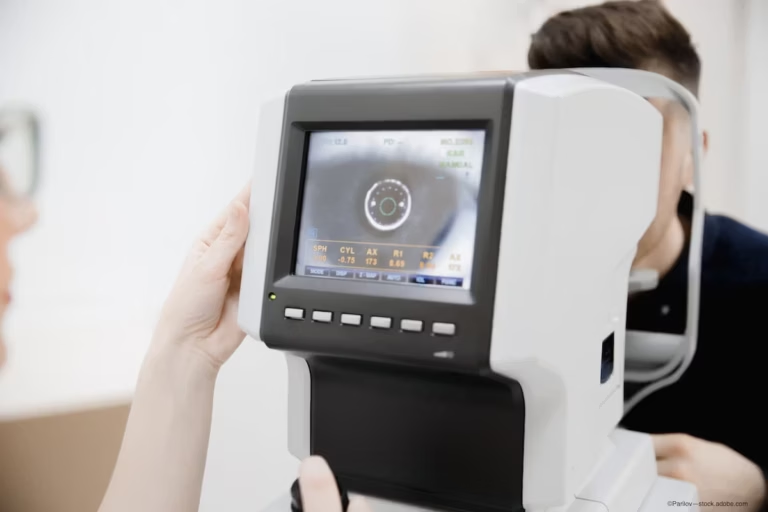
- Examining the head, neck, eyes, ears, and throat
- Checking the abdomen through gentle pressure
- Observing posture, balance, and joint movement
Depending on your age and history, your doctor can order laboratory tests. They may also discuss recommended screenings or vaccinations. The visit usually concludes with a summary of findings and any suggested next steps.
How Should You Prepare?
A small amount of preparation can help your appointment run smoothly. Some blood tests require you to avoid food and drinks other than water for a set number of hours beforehand. Compile a list of all medications you take, including prescription drugs, over-the-counter products, vitamins, and supplements. Note the dosage you take, and relay how often you take each one. If you have noticed any new symptoms or changes in your health since your last visit, write them down along with approximate dates.
It may also help to gather information about your family’s health history; conditions affecting parents, siblings, or grandparents influence which screenings your doctor recommends. On the day of the exam, you can wear comfortable clothing that is easy to adjust or remove. Bring a form of identification.
Meet With Your Doctor
An annual physical is one part of an ongoing approach to personal health. After the visit, your doctor may share test results. Reviewing these results and following any recommended next steps, such as a follow-up appointment or a referral to a specialist, allows you to stay informed about your health between yearly visits. People may find it beneficial to plan their physical around the same time each year; this helps to maintain a consistent routine. If you have not had a physical exam recently, contact a primary care provider to arrange an appointment and take an active role in your long-term well-being.